
Introduction
Offshore drilling has entered a new era. With energy demand rising globally and accessible onshore reserves maturing, offshore exploration continues to play a critical role in global oil supply.
However, today’s offshore operations are no longer defined solely by scale — they are defined by intelligence, automation, and sustainability.
Deepwater & Ultra-Deepwater Innovation


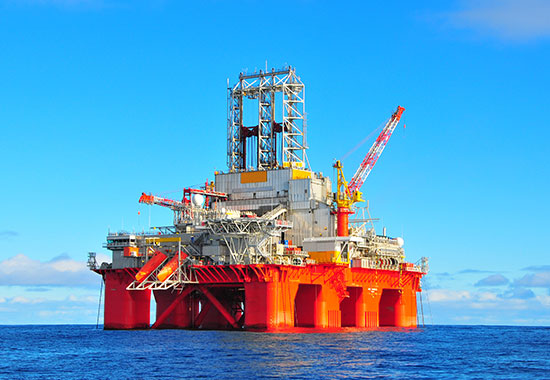
Advancements in subsea engineering now allow operators to drill in depths exceeding 10,000 feet. Floating Production Storage and Offloading (FPSO) vessels are increasingly deployed for flexible offshore production.
Technologies transforming offshore drilling include:
-
High-pressure high-temperature (HPHT) systems
-
Remote subsea robotics
-
Real-time reservoir monitoring
-
Advanced blowout prevention systems
These innovations reduce operational risk and improve recovery rates.
Environmental Safeguards
Offshore drilling is under strict regulatory scrutiny. Environmental safeguards now include:
-
Real-time spill detection
-
Methane leak monitoring
-
Electrified offshore platforms
-
Reduced flaring systems
Offshore energy projects today are designed with environmental compliance integrated from inception.
Outlook
Offshore drilling remains capital-intensive, but technological improvements are making projects more efficient and environmentally responsible.
The future of offshore energy lies in safer, smarter, and more sustainable operations.