
Introduction: The Rise of LNG in a Changing Energy Landscape
Liquefied Natural Gas (LNG) has become one of the most strategically important energy commodities in the world.
As governments balance climate commitments with rising energy demand, LNG is increasingly viewed as a “transition fuel” — cleaner than coal, scalable, transportable, and critical for power generation, industrial use, and heating.
While renewables are growing rapidly, they cannot yet fully replace baseload energy needs. LNG is filling that gap.
Why Natural Gas is Central to the Energy Transition


Natural gas produces approximately 50–60% fewer CO₂ emissions than coal when used for electricity generation. This makes it a preferred alternative for countries transitioning away from high-carbon fuels.
Key advantages of LNG include:
-
Lower carbon intensity compared to coal and oil
-
Reliable baseload power generation
-
Flexibility in transportation via tankers
-
Reduced air pollutants (SOx, NOx, particulates)
Organizations like the International Energy Agency highlight natural gas as a stabilizing force during renewable energy expansion.
LNG Infrastructure Expansion
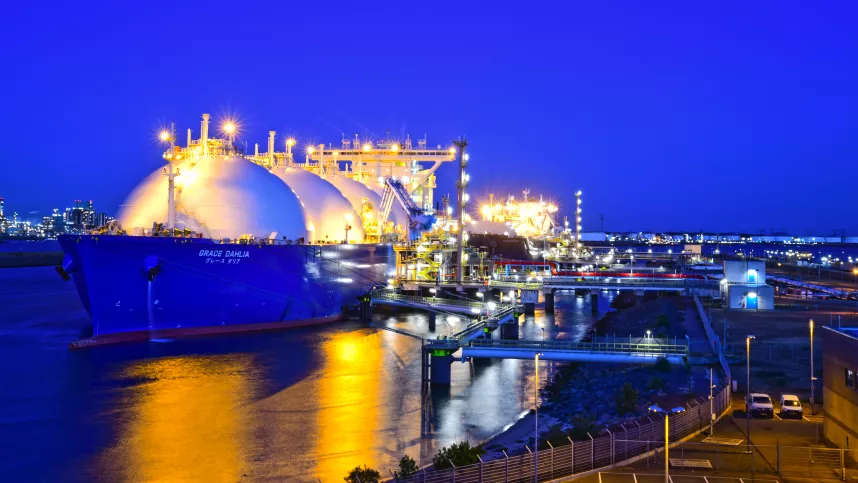
Global LNG infrastructure is expanding at unprecedented speed.
Major developments include:
-
New export terminals in North America and the Middle East
-
Floating LNG (FLNG) production units
-
Regasification terminals in Europe and Asia
-
Long-term supply contracts securing multi-decade trade
Countries are prioritizing LNG infrastructure to avoid overdependence on pipeline gas or politically sensitive suppliers.
This expansion is reshaping global trade routes and energy diplomacy.
The Shift Toward Flexible LNG Contracts
Historically, LNG contracts were long-term (20+ years), oil-indexed, and rigid.
Today, the market is evolving:
-
Shorter contract durations
-
Increased spot trading
-
Hub-based pricing mechanisms
-
Portfolio diversification
This flexibility allows buyers to respond to market volatility more effectively.
The role of producer alliances such as OPEC indirectly influences LNG markets through crude pricing and production coordination.
LNG & Energy Security
Energy security concerns have accelerated LNG adoption.
Countries are diversifying energy imports to:
-
Reduce reliance on single pipeline suppliers
-
Strengthen domestic energy resilience
-
Stabilize power grids
-
Hedge against geopolitical disruptions
LNG’s transportability gives it a strategic advantage over fixed infrastructure energy systems.
Environmental Considerations & Methane Management
While LNG is cleaner than coal, methane leakage remains a concern.
Producers are investing in:
-
Methane detection satellites
-
Leak repair programs
-
Carbon capture integration
-
Electrified LNG facilities
Improving lifecycle emissions is critical to maintaining LNG’s position in the transition narrative.
Investment Trends & Market Outlook
LNG remains one of the most capital-intensive energy sectors, yet investor appetite remains strong.
Growth drivers include:
-
Rising Asian demand
-
Industrial decarbonization strategies
-
Growing electricity needs
-
Hydrogen production (blue hydrogen feedstock)
Market forecasts suggest LNG demand will continue expanding through 2040, even as renewable energy grows.
Conclusion
LNG is not replacing renewables — it is enabling them.
As solar and wind penetration increases, natural gas provides grid stability and dispatchable power.
In the global energy transition, LNG is emerging not as a temporary solution, but as a long-term strategic component of the energy mix.