In the global oil & gas market, the difference between contract terms such as CIF (Cost, Insurance and Freight) and FOB (Free On Board) can determine not only pricing and logistics, but also risk, responsibility and ultimately profitability. We look to provide insight with cif and fob terms in international oil and gas brokerage. At JMC.Energy, which specializes in brokerage across African and global energy markets, we’ve found that mastering these terms is essential to success in trading crude, refined products or LNG. This blog post explains the CIF vs FOB landscape in the oil & gas sector, highlights key considerations and offers actionable insights for industry players in Nigeria, West Africa and beyond.
What are CIF and FOB?
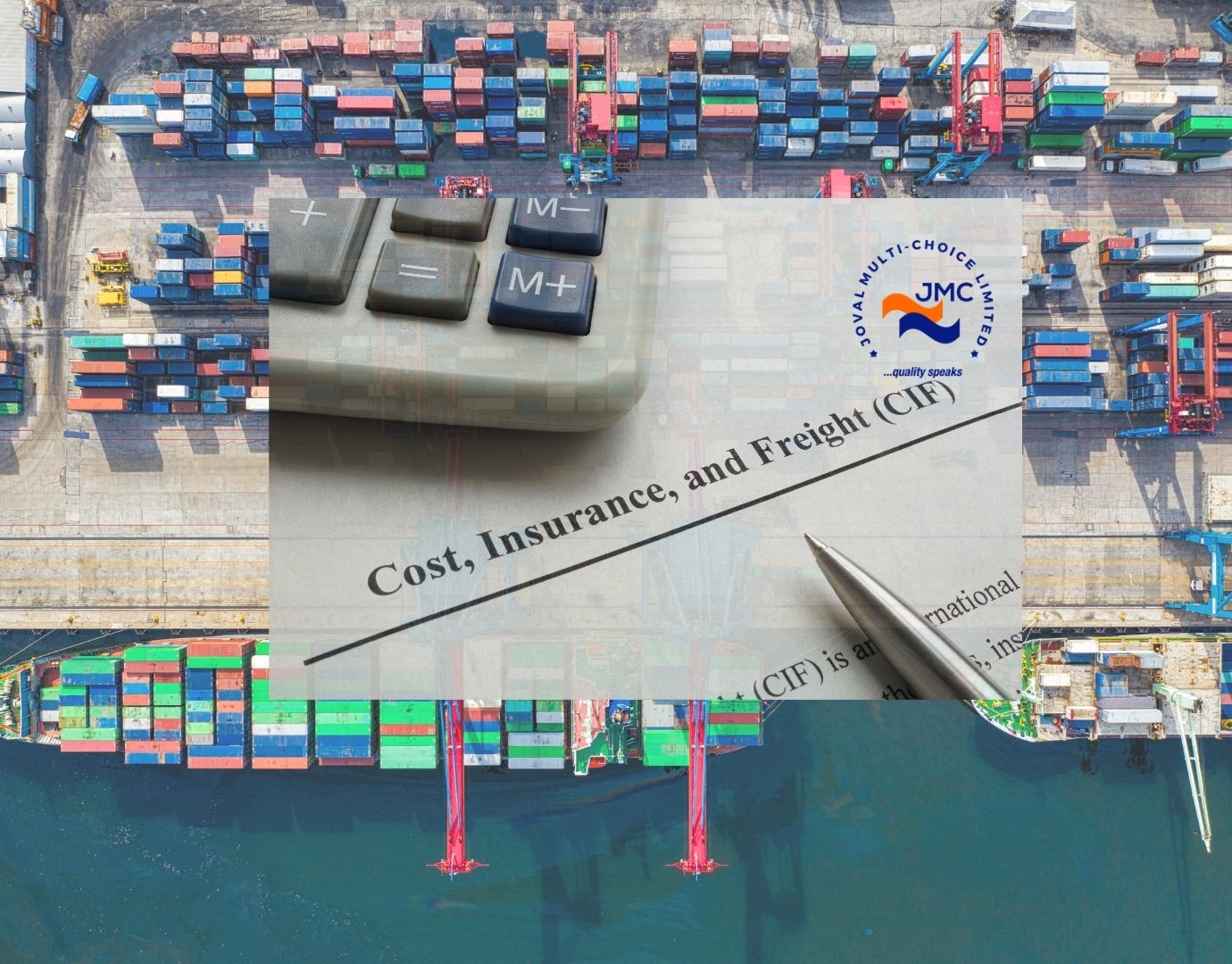
Firstly, let’s define the terms. CIF and FOB are part of the Incoterms® (International Commercial Terms) created by the International Chamber of Commerce to standardise responsibilities for buyers and sellers in international trade.
-
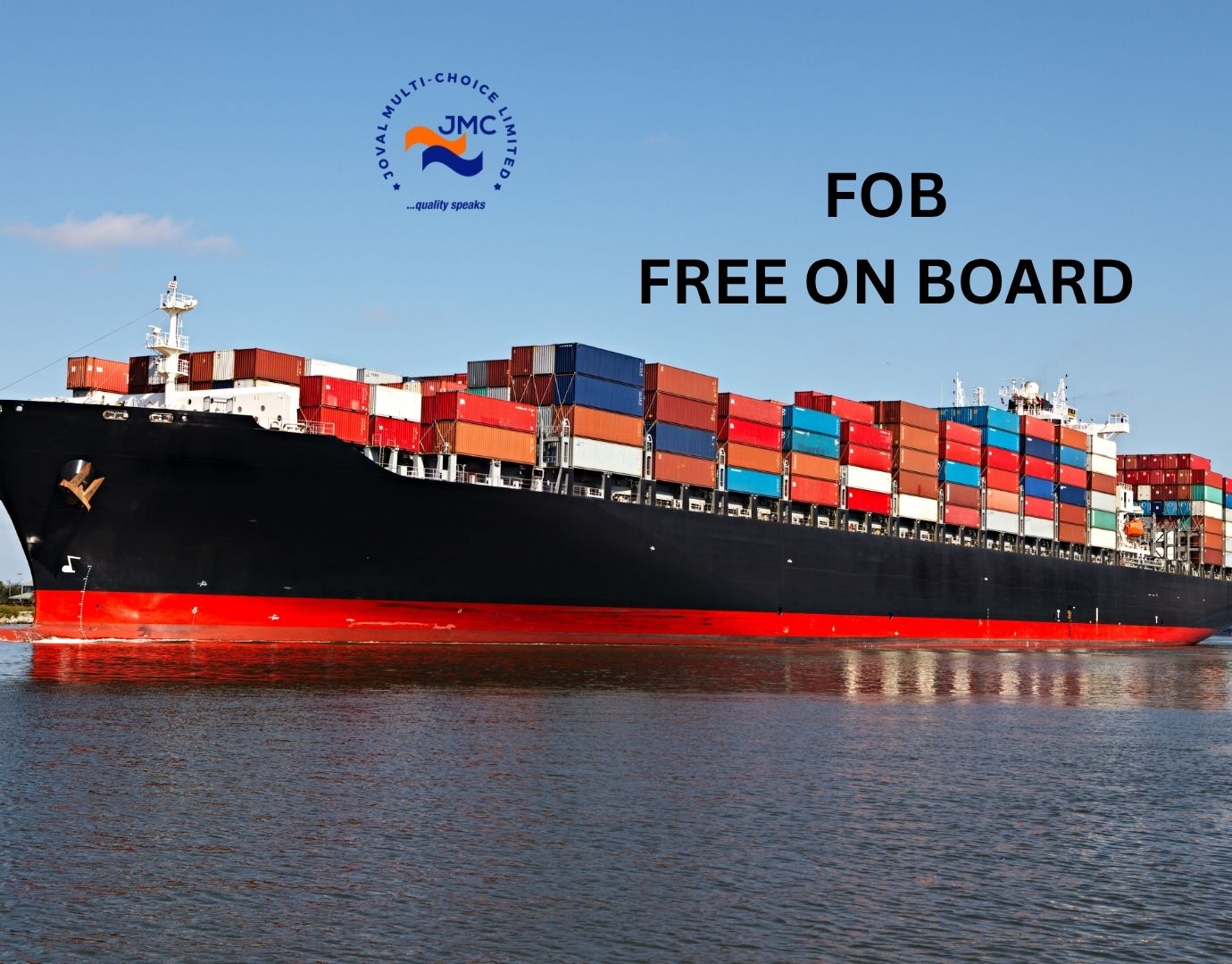
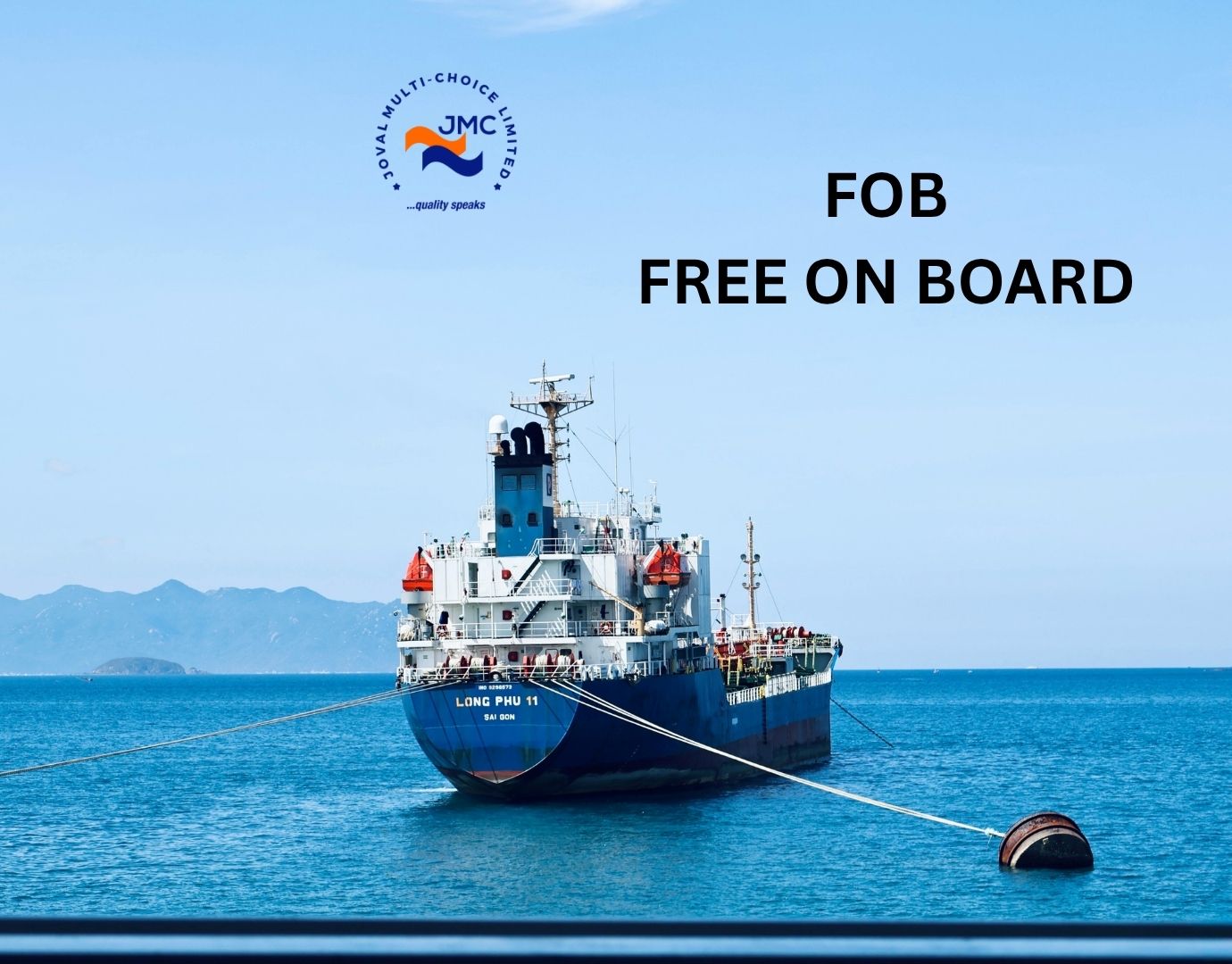
Under a FOB arrangement, the seller delivers goods on board the vessel at the agreed port of loading; once the goods pass the ship’s rail (or equivalent loading point), risk and cost shift to the buyer. Investopedia+1
-
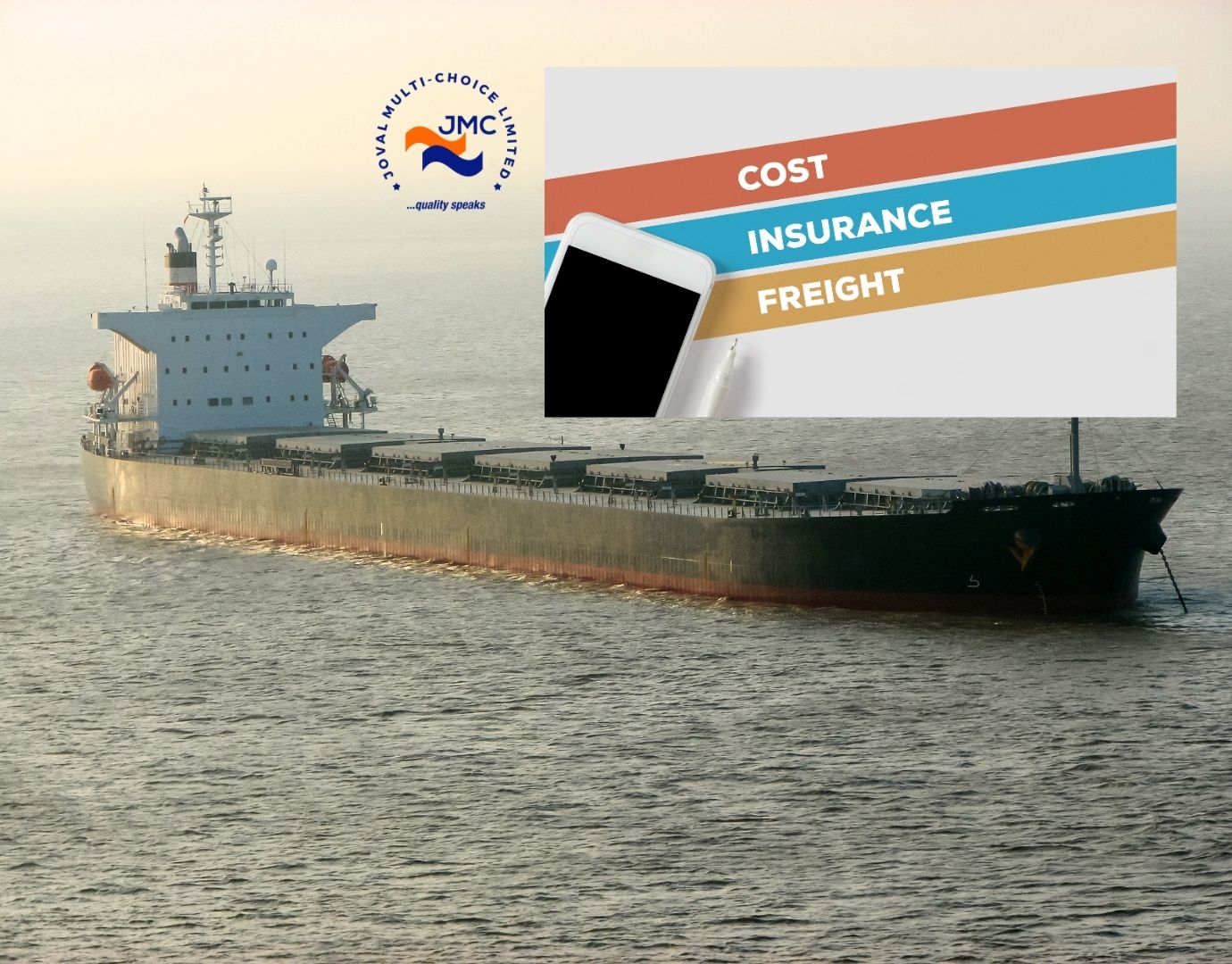
Under a CIF arrangement, the seller pays cost, insurance and freight to the destination port. The seller arranges and covers transport and insurance to the buyer’s nominated port of discharge.
-
In both cases, it’s vital to note that the point of risk transfer (who bears potential loss) and cost responsibilities are defined by the contract; mis-interpretation can lead to major financial exposure. tsamichaslaw.gr+1
Why it matters in oil & gas brokerage
In the oil & gas brokerage world, the scale, complexity and regulatory exposure are tremendous. At JMC.Energy we see the following implications when choosing CIF vs FOB:
1. Risk allocation
When shipping crude oil, refined petroleum products or LNG, a single incident such as tank leakage, demurrage at port, or cargo loss can cost millions. Under FOB the buyer takes over once the cargo is loaded; under CIF the seller shoulders transport and insurance up to destination. As one legal analysis observes: “The critical distinction … lies in the point at which risk and responsibility transfer.” tsamichaslaw.gr+1
2. Cost and pricing impact
Since CIF includes insurance and freight costs, the seller usually prices this into the product. Buyers paying under CIF may find less cost control but greater convenience. Under FOB, the buyer must manage vessel chartering, freight, insurance and discharge—this may reduce product price but require more expertise. Investopedia+1
3. Control over logistics
In oil & gas brokerage, flexibility and control are valuable. Under FOB, a buyer selecting its own vessel, freight forwarder or route may secure cost advantage or optimise transit. A seller offering CIF simplifies the buying process for the counter‐party with less logistical capacity. heisenbergshipping.com
4. Regulatory & compliance in African markets
For companies operating in West Africa—say Nigeria or Ghana—the complexity of ports, customs, off-take contracts and shipping corridors heightens the need for clarity. For example, jetties, demurrage clauses, MOUs with local authorities and certification (custody transfer, quality) all become part of the deal. Using the right Incoterm clarifies who bears such burdens.
CIF vs FOB: Practical Considerations for JMC.Energy
When JMC.Energy advises clients, we ask a number of key questions before recommending CIF or FOB:
Buyer capability and logistics
-
Does the buyer have the shipping connections, vessel chartering ability, insurance cover and port access to handle an FOB contract properly?
-
If the buyer is new or lacks maritime experience (common in emerging African markets), CIF may offer safer hand-holding: the seller takes logistics and insurance risk.
Seller expertise and market position
-
Is the seller confident in freight contracts, insurance terms, and has a ready vessel list and shipping schedule? If yes, offering CIF may provide a selling-point premium.
-
If the seller prefers to offload shipping risk, negotiating FOB and shifting logistics to the buyer may be preferable.
Currency, pricing and credit factors
-
CIF often means higher upfront pricing since the seller bundles cost, insurance, freight. Buyers must evaluate whether the convenience is worth the premium.
-
In markets with currency risk (e.g., Naira vs USD in Nigeria) or credit limits, parties may prefer FOB to separate product cost from shipping cost.
Quality, custody transfer and measurement issues
In oil & gas trades, custody transfer (measurement of volume/quality) is critical. Under FOB the seller is responsible up to loading; under CIF, although seller arranges freight/insurance, risk may transfer earlier depending on local law. An article notes: “In the case of FOB … energy transferred and invoiced will be determined in the loading port. In the case of CIF … the energy transferred and invoiced for will be determined in the unloading port.” Wikipedia
For JMC.Energy’s clients in Africa, this means clarifying in the contract where quantity, quality, measurement and discharge obligations lie.
Case scenario: Nigeria import of refined product
Let’s illustrate with a practical scenario: a Nigerian refinery or trading company imports 50,000 MT of diesel into Lagos.
-
If the contract is FOB Rotterdam, the seller loads the diesel onto the buyer’s nominated vessel at Rotterdam. At that moment risk transfers; the Nigerian buyer arranges the vessel voyage to Lagos, pays freight, insurance, port charges, discharge and inland transport.
-
If the contract is CIF Lagos, the seller arranges voyage, insurance and freight to Lagos. The buyer takes over responsibility on arrival (or upon delivery defined by the contract). This may reduce buyer’s logistics burden but raises cost and potentially gives less visibility into logistics.
JMC.Energy will evaluate which model fits the buyer’s capacity. If the Nigerian buyer lacks vessel access or shipping expertise, CIF may mitigate risk. If the buyer has strong logistics and wants to negotiate freight to save cost, FOB may be appropriate.
Suggestions for drafting contracts and avoiding pitfalls
-
Define the named port clearly – Be explicit about loading port (for FOB) or discharge port (for CIF).
-
Clarify risk transfer point – Especially in oil & gas trades where loading might span days and conditions (temperature, purity) matter.
-
Insurance terms – On CIF, ensure the seller procures insurance to cover the buyer’s interest; the buyer should verify policy cover, exclusions and beneficiary. Under FOB, buyer arranges insurance; make sure coverage is adequate. tsamichaslaw.gr+1
-
Quality, quantity & measurement protocols – Include sampling, inspection, custody transfer and demurrage clauses.
-
Freight and demurrage responsibilities – Under FOB the buyer absorbs delays; under CIF the seller may be responsible up to port of discharge but buyer should clarify waiting time, port congestion costs, tanker laytime.
-
Currency and payment risks – Oil & gas trades often priced in USD. For Nigerian or African buyers/sellers, currency fluctuation, inflation and remittance restrictions need to be factored.
-
Local regulatory compliance – Especially in Nigeria: port access, local content laws, import/export duties, storage licence, environmental obligations.
-
Exit / liability scenarios – Define who bears loss if the vessel is damaged, cargo contaminated, or delays cause financial loss. Using appropriate Incoterm doesn’t remove need for good contract drafting.
Why JMC.Energy’s brokerage adds value
At JMC.Energy, we bring to bear:
-
Deep experience in African oil & gas markets — we understand port constraints, regional logistics, regulatory compliance, local currency risk and importer/exporter capabilities.
-
A network of vetted carriers, insurers and shipping partners — enabling us to advise whether CIF or FOB best suits your risk appetite and operational capacity.
-
Contract-level guidance — ensuring Incoterms are correctly used, obligations clearly allocated, and that you are not exposing yourself to unexpected cost or risk.
-
Operational oversight — beyond negotiation, we monitor shipments, handle documentation, and assist with customs/discharge issues across West Africa.
Conclusion
Understanding cif and fob terms in international oil and gas brokerage is key to becoming a player in this global market. In the complex world of international oil & gas brokerage, selecting between CIF and FOB is far more than a standard clause—it shapes logistics, cost, risk and control. For players in Nigeria and across Africa, working with a broker like JMC.Energy can clarify these choices and protect you from unknown exposure. Whether you’re the buyer who prefers ease (CIF) or the buyer/seller with strong logistics savvy who prefers control (FOB), the right decision depends on your capacity, portfolio and risk tolerance.
Mastering CIF and FOB terms isn’t optional—it’s essential. At JMC.Energy, we stand ready to guide you through these negotiations and ensure your oil & gas transactions proceed smoothly, transparently and profitably.